
Understanding Mini Split of Air Conditioner Systems
As summer temperatures rise, the need for effective cooling solutions becomes increasingly important. One such option that has gained popularity in recent years is the mini split of air conditioner. These systems offer a unique blend of efficiency and flexibility, making them a go-to choice for homeowners and commercial properties alike. In this article, we will delve into the intricacies of mini-split air conditioners, exploring their functionality, benefits, and best practices for installation and maintenance.
What is a Mini Split of Air Conditioner?
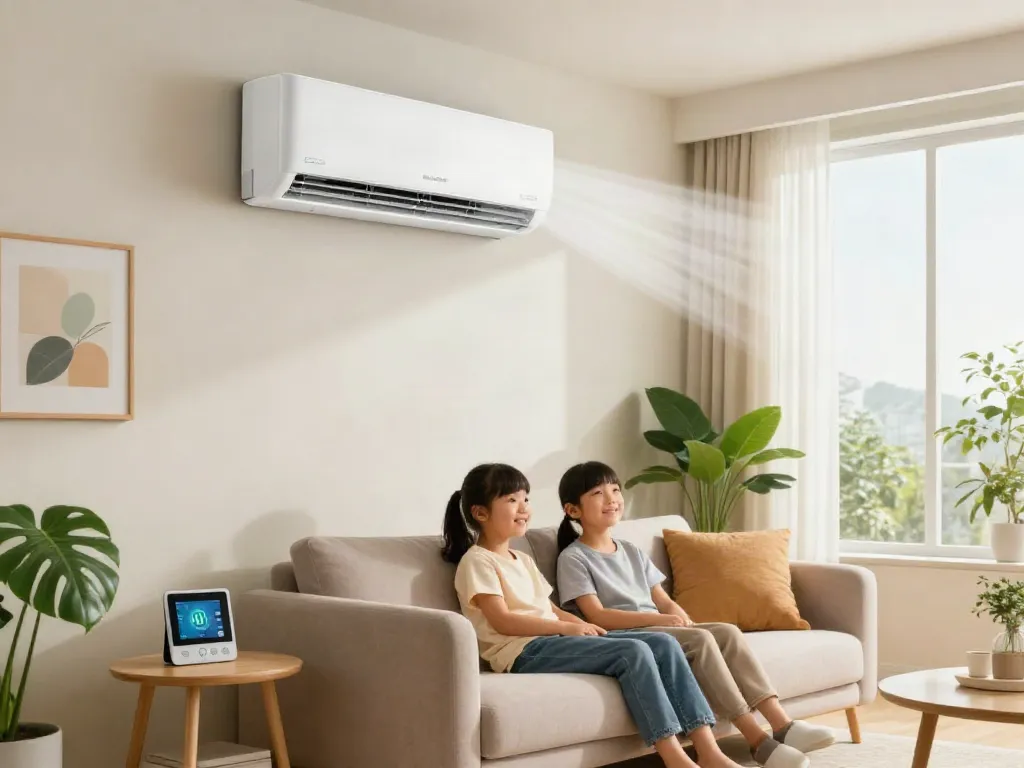
Mini split air conditioners, also known as ductless mini splits, are HVAC systems that provide both cooling and heating capabilities without the need for extensive ductwork. They consist of an outdoor compressor unit and one or more indoor air handling units, allowing for individualized climate control in various rooms or zones. This zoning feature not only enhances comfort but also improves energy efficiency, as each zone can be controlled according to its specific needs.
Components and Functionality Explained
A typical mini split system comprises three main components:
- Outdoor Unit: This unit houses the compressor and condenser. It dissipates heat absorbed from the indoor air, allowing for efficient cooling.
- Indoor Units: Installed in different rooms, these units contain evaporators that absorb heat from the air in a specific zone, distributing cool air back into the space.
- Refrigerant Lines: These insulated lines connect the indoor and outdoor units, allowing refrigerant to flow between them, facilitating the heat exchange process necessary for cooling and heating.
When the indoor unit is switched on, the refrigerant absorbs heat from the room, cooling the air. This cooled air is then circulated back into the room, while the heated refrigerant is sent outside to be cooled and recirculated.
Common Applications in Residential Settings
Mini split systems are particularly beneficial in various residential applications, including:
- Older Homes: Many older homes lack ductwork, making mini splits an excellent option for upgrading air conditioning without extensive renovations.
- Room Additions: When adding new rooms, mini splits allow for temperature control without extending existing HVAC systems.
- Seasonal Spaces: These systems are ideal for cooling or heating garages, sunrooms, and attics, providing comfort in spaces that may not be used year-round.
Energy Efficiency Benefits of Mini Split Systems
One of the standout features of mini split air conditioners is their energy efficiency. As energy costs continue to rise, understanding how these systems can contribute to lower utility bills is essential for homeowners.
How Mini Splits Reduce Energy Consumption
Mini split systems utilize inverter technology, which allows the compressor to adjust its speed based on the cooling demand of the room. This means the system doesn’t have to constantly start and stop, which is a major energy drain in traditional HVAC systems. Instead, the compressor runs at varying speeds, significantly reducing energy consumption while achieving the desired temperature.
Comparative Analysis with Traditional HVAC Systems
In comparison to traditional centralized systems, mini splits can offer several advantages:
- Less Energy Waste: With traditional systems, conditioned air can escape through ducts, leading to energy loss. Mini splits, being ductless, minimize this waste.
- Customization and Control: Homeowners can heat or cool only the rooms they use, rather than an entire home, which improves overall efficiency.
- SEER Ratings: Many mini split systems have high Seasonal Energy Efficiency Ratios (SEER), often exceeding 20, compared to 13-14 for some traditional systems.
Cost-Saving Potential Over Time
While the initial investment for a mini split system can be higher than that of a traditional AC unit, the long-term energy savings can offset the higher upfront costs. Homeowners can expect to see a return on investment through lower monthly utility bills, and many models qualify for energy efficiency rebates or tax credits.
Installation Insights for Mini Split Systems
Proper installation is crucial to maximizing the performance of mini split systems. Below are some key insights to consider when planning for installation.
Top Installation Practices and Guidelines
To ensure optimal performance and efficiency, consider the following installation practices:
- Location of Indoor Units: Install indoor units where they can effectively distribute air throughout the room, avoiding corners or obstructed spaces.
- Outdoor Unit Placement: Choose a location with adequate airflow, away from direct sunlight and obstructions, to maximize efficiency and lifespan.
- Proper Insulation: Ensure that the refrigerant lines are well insulated to prevent energy loss.
Common Challenges to Anticipate During Installation
Potential challenges during the installation of mini split systems can include:
- Access to Power: Ensure that the installation site has access to appropriate power sources to support the system.
- Mounting Issues: Properly mounting the indoor units requires skilled labor to avoid future problems.
- Condenser Noise: Position the outdoor unit in such a way to minimize noise disruption for nearby living areas.
Choosing the Right Professional for the Job
While some homeowners may consider DIY installation, it is highly recommended to hire a certified HVAC professional. A qualified technician will ensure that the unit is properly sized, installed, and optimized for both performance and efficiency.
Advanced Features of Mini Split Air Conditioners
As technology evolves, mini split systems are incorporating advanced features that enhance user experience and efficiency.
Smart Technology Integration in Modern Units
Many modern mini split units come equipped with smart technology, allowing users to control their systems remotely via smartphones or smart home integrations. Features may include scheduling, temperature monitoring, and alerts for maintenance needs.
Customizable Settings for Personalized Comfort
Today’s mini splits often include customizable settings such as multiple fan speeds, temperature zones, and modes that can adapt to individual preferences. This allows for greater comfort and efficiency tailored to occupants’ needs.
Noise Reduction Features Enhancing User Experience
Advanced mini split systems are designed with noise reduction technologies, including sound-dampening materials and fan designs that promote quiet operation. This is particularly beneficial for units installed in bedrooms or study areas.
Future Trends in Mini Split Technology
The mini split air conditioning market is poised for growth in the coming years. Here are some trends to watch as we move through 2026 and beyond.
Emerging Innovations to Watch in 2026
Innovations such as improved inverter technology, enhanced filtration systems, and energy recovery ventilators are becoming more prevalent. These developments promise to further increase the efficiency and functionality of mini splits.
Environmental Considerations and Sustainability
With a growing emphasis on sustainability, manufacturers are focusing on producing mini split units that use eco-friendly refrigerants and are designed for increased recycling at the end of their lifespan.
Consumer Demand Shifts and Market Adaptations
As consumer preferences shift toward energy-efficient and hybrid cooling solutions, we can expect to see more offerings that combine mini splits with smart home technologies for integrated climate control solutions.
What Maintenance is Required for Longevity?
To prolong the life of a mini split air conditioner, homeowners should conduct regular maintenance. This includes:
- Cleaning the filters every month to ensure optimal air flow.
- Checking refrigerant levels and inspecting for leaks annually.
- Scheduling professional maintenance at least once a year to ensure all components are operating efficiently.
Comparing Installation Costs vs. Savings Over Time?
Although the installation costs of mini split systems can be higher due to the complexity of the setup, the energy savings achieved over time can make them a more economical choice in the long run. Homeowners who invest in quality systems often see significant return on their investment through reduced energy bills.
Are Mini Split Systems Suitable for Larger Spaces?
While mini splits are exceptional for small to medium spaces, multiple units may be required to effectively cool larger areas. The key is proper sizing and zoning to ensure adequate coverage throughout the space.
How do Mini Splits Work in Extremely Cold Weather?
Innovative heating technologies in modern mini splits allow them to operate efficiently even in extremely cold temperatures. Many systems can maintain performance down to -5°F, making them a viable option for heating in colder climates.
What are the Key Brands in the Mini Split Market?
Several reputable brands dominate the mini split market, including Daikin, Mitsubishi Electric, LG, and Fujitsu. Each of these manufacturers offers a range of products catering to diverse consumer needs and preferences.