
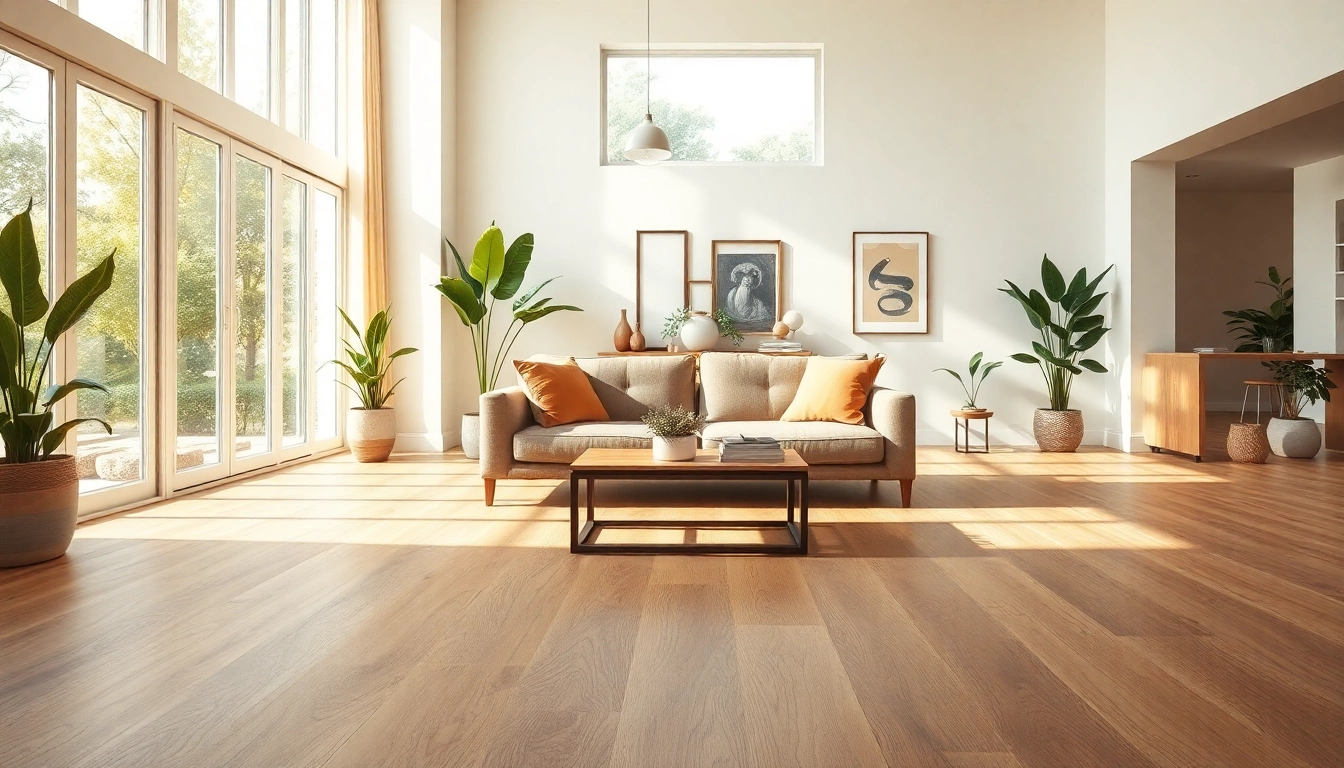
Introduction to Waterproof LVP Flooring
In the quest for both beauty and functionality in home flooring, waterproof lvp flooring stands out as a remarkable option. This flooring solution not only enhances the aesthetic appeal of interiors but also addresses challenges such as moisture, stains, and daily wear. As modern lifestyles incorporate more fluidity between spaces—inside and out—the demand for durable, stylish, and low-maintenance flooring options continues to rise. Let’s delve into what waterproof LVP flooring entails and why it’s becoming a favored choice among homeowners and designers alike.
What is Waterproof LVP Flooring?
Waterproof Luxury Vinyl Plank (LVP) flooring is a synthetic flooring material designed to mimic the appearance of natural wood or stone while providing superior durability and water resistance. Unlike traditional vinyl flooring that may succumb to water damage, waterproof LVP features a waterproof core that protects against spills, humidity, and cleaning products. This innovative flooring type is often constructed in multiple layers, including a wear layer, a design layer, a waterproof core, and backing for added stability.
Key Features of Waterproof LVP Flooring
- Durability: With high-grade materials, it withstands heavy foot traffic and impacts.
- Water Resistance: Impervious to moisture, making it ideal for kitchens and bathrooms.
- Variety of Designs: Available in a plethora of styles, colors, and textures to suit any décor.
- Comfortable Underfoot: Soft and warm compared to traditional tiles, enhancing comfort in living spaces.
Why Choose Waterproof LVP Flooring?
Choosing waterproof LVP flooring overshadows other flooring options due to its confluence of style, functionality, and affordability. As more families prioritize ease of maintenance and aesthetic flexibility, this flooring not only fits but enhances various lifestyles—whether a bustling family home or a stylish urban apartment. Additionally, the abundant designs mean you can achieve the look of natural materials without the associated upkeep.
Advantages of Waterproof LVP Flooring
Durability and Longevity
When investing in flooring, durability is a priority. Waterproof LVP flooring excels in this regard, featuring a robust construction that allows it to withstand scratches, dents, and other surface damages. The wear layer, typically made of a tough polyurethane, ensures that the planks resist everyday hazards while maintaining their aesthetic appeal for years. This longevity makes LVP a sound investment, retaining value and beauty over time.
Wide Range of Designs
One of the most appealing attributes of waterproof LVP flooring is its ability to replicate the look of hardwood, stone, or tile, with impressive realism. Innovations in printing technology have resulted in a wide variety of textures and patterns that can suit traditional or modern interior designs. Homeowners can enjoy the warm richness of oak, the sleek appearance of gray laminate, or even the rustic charm of reclaimed wood—all possible within the bounds of waterproof LVP.
Low Maintenance Requirements
Unlike more porous materials like wood or natural stone, waterproof LVP flooring requires minimal upkeep. Regular sweeping or vacuuming and occasional mopping are typically all that’s required to keep the floors looking pristine. Its resistance to stains and scratches also means that accidental spills are less of a worry, making it a practical choice for families with children or pets.
Installing Waterproof LVP Flooring
Preparation for Installation
The installation of waterproof LVP flooring can be a straightforward DIY project, although some may prefer to hire professionals. Preparing the subfloor is crucial, requiring it to be clean, dry, and level. Any imperfections can affect how the planks sit and perform. This includes removing old flooring, filling in cracks, and possibly installing underlayment to ensure comfort and noise reduction.
Step-by-Step Installation Guide
- Measure the Area: Begin by measuring the room to ensure you purchase sufficient flooring.
- Acclimatize the Planks: Allow the LVP to acclimate in the room for at least 48 hours before installation.
- Lay the Underlayment: If necessary, roll out an underlayment for cushioning and insulation.
- Begin Installation: Start laying planks from one corner of the room, staggering the seams of each row for stability.
- Cut & Fit: Use a utility knife to cut planks as needed for a perfect fit around door frames and edges.
- Finish with Trim: Once all planks are in place, install trim along the edges to create a polished look.
Post-Installation Care Tips
To ensure the longevity of your waterproof LVP flooring, avoid harsh chemicals or abrasive cleaners that can damage the finish. Regular cleaning with a damp mop and mild detergent is recommended. Additionally, placing mats in high-traffic areas can reduce wear and tear. If spills occur, prompt cleaning will prevent staining and preserve the flooring’s appearance.
Comparing Waterproof LVP Flooring to Other Flooring Types
Waterproof LVP vs. Traditional Vinyl Flooring
While traditional vinyl flooring is budget-friendly, it is not inherently waterproof and can warp or deteriorate over time when exposed to moisture. Waterproof LVP flooring, however, is specifically designed to resist water damage, making it more suitable for areas prone to spills or humidity. Additionally, LVP offers a wider variety of designs that mimic natural materials without their associated maintenance costs.
Waterproof LVP vs. Laminate Flooring
Laminate flooring provides a similar aesthetic to hardwood but often lacks waterproof properties. Exposure to water can lead to warping and bubbling in laminate floors. Waterproof LVP flooring eliminates this concern, making it more versatile for different areas of the home, including bathrooms and kitchens, where moisture is common. Furthermore, LVP generally provides better noise reducing features due to its construction.
Waterproof LVP vs. Tile Flooring
While tile flooring is durable and truly waterproof, it can be cold and hard underfoot, often requiring more maintenance to prevent grout staining. Waterproof LVP flooring offers a softer feel underfoot, better insulation against temperature changes, and is quicker to install, often at a lower cost than tile. This makes LVP a practical choice for families seeking comfort and style without the maintenance hassle.
Common Questions about Waterproof LVP Flooring
Is Waterproof LVP Flooring Truly Waterproof?
Yes, waterproof LVP flooring is designed to be entirely impervious to water. The core material and construction methods ensure that spills and moisture will not seep through, making it suitable for areas subject to high humidity.
Can Waterproof LVP Flooring be Installed in Bathrooms?
Absolutely! Waterproof LVP flooring is an excellent choice for bathrooms due to its water resistance. It can handle moisture commonly found in these spaces without any risk of damage.
How to Clean and Maintain Waterproof LVP Flooring?
Cleaning waterproof LVP flooring involves regular sweeping or vacuuming to remove dirt and debris, along with occasional damp mopping using a mild cleaner. Avoid abrasive cleaners that could scratch the surface.
What is the Lifespan of Waterproof LVP Flooring?
When properly maintained, waterproof LVP flooring can last 20 to 30 years. Factors such as foot traffic, maintenance practices, and quality of the product contribute to its lifespan.
Can Waterproof LVP Flooring be Installed Over Existing Floors?
Yes, waterproof LVP flooring can often be installed over existing hard surface floors, provided they are level and free of imperfections. This allows for a quicker installation process and less hassle.